The first day of bootcamp was mainly about getting everybody oriented and on the same page. I had the opportunity to meet lots of high school students from all over California and even a few grad students and professors. Quite a bit of information was thrown at us, and it was clear that this program was not to be taken lightly. We started with lab basics before moving into pharmacokinetics versus pharmacodynamics, which ended up being the main focus of the day.
Image: Shutterstock
One of the first things we learned was how experiments are categorized based on where they take place.
In vitro refers to experiments done outside of a living organism, usually in test tubes or petri dishes. This includes working with cells, proteins, or chemicals in a controlled environment.
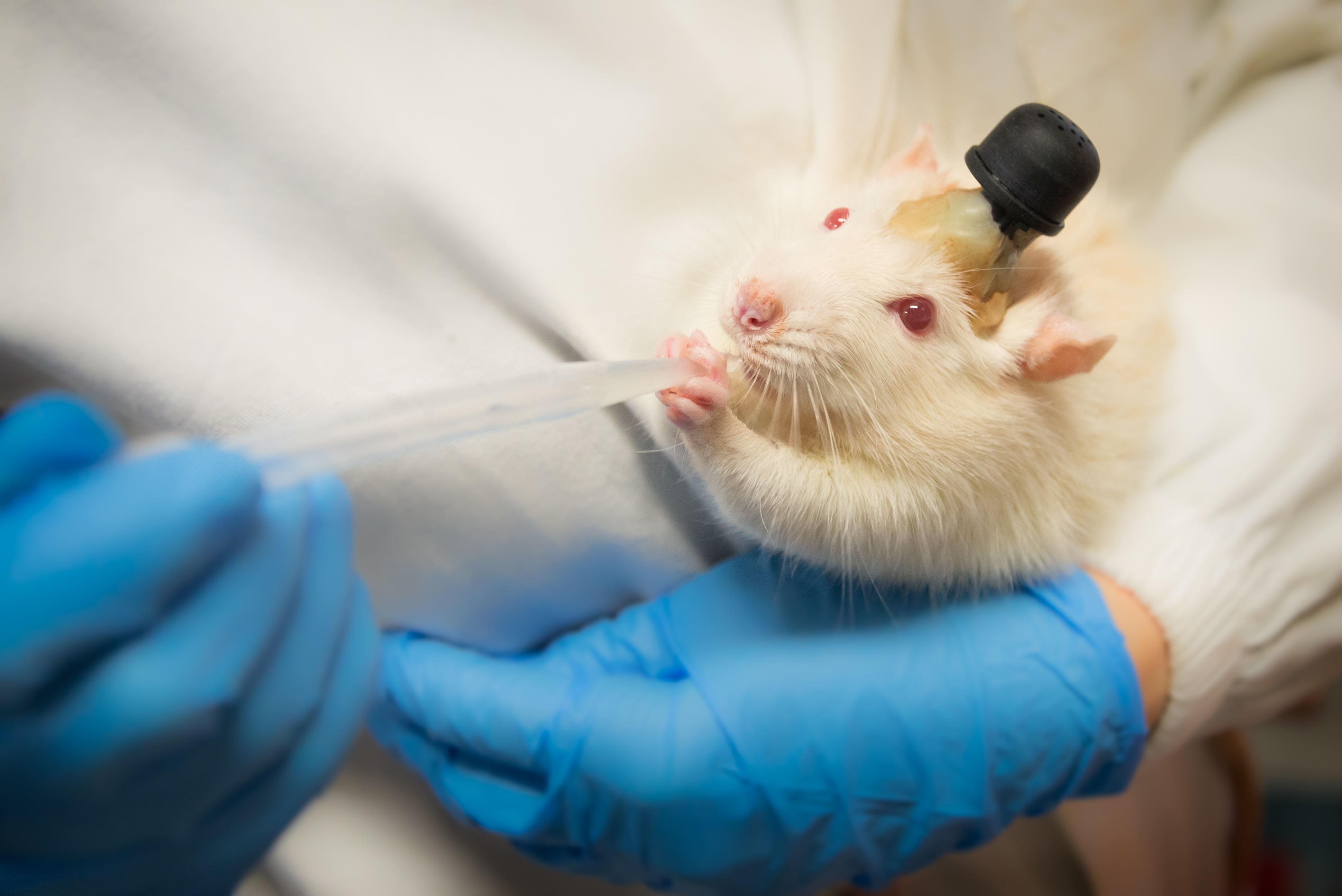
In vivo means experiments done in living organisms, such as animals or humans. These studies tend to be more complex because there are many biological variables involved.
In silico refers to experiments done using computers. This includes simulations, models, and data analysis using software or code.
We also went over lab etiquette, which was treated very seriously. These were what was expected of us. It was also made very clear that we would be treated as equals to the other people working in our lab and would be held to the same expectations in terms of lab etiquette.
Some of the main points included being punctual, asking questions whenever something is unclear, and taking detailed notes to record experiments and protocols. Another huge rule was clearly labeling all samples and containers with initials, date, and contents. This applies to everything, even things that seem obvious.
Speaking up during discussions and listening carefully to others was also emphasized. Labs are meant to be collaborative environments, and clear communication is key to preventing mistakes.
After lab etiquette, we moved into pharmacokinetics, often shortened to PK. PK focuses on how a drug moves through the body over time. This is commonly summarized using ADME:
Absorption is how the drug enters the bloodstream from the site where it is given.
Distribution is how the drug is transported to different tissues and organs.
Metabolism is how the drug is chemically broken down, often by enzymes in the liver.
Excretion is how the drug is eliminated from the body.
Absorption does not mean the entire drug dose reaches the bloodstream. Some drugs are partially broken down before they circulate. This is related to bioavailability, which describes how much of the drug actually reaches systemic circulation and how fast it gets there.
We also learned about the first pass effect, which refers to the reduction in active drug when it passes through the liver before entering circulation.
Another key concept was half-life, which is the time it takes for half of the drug to be eliminated from the body. Most drugs require about five or six half-lives to be mostly cleared. When drugs are taken repeatedly, they can reach steady state, where the amount entering the body equals the amount being eliminated.
Pharmacodynamics, or PD, focuses on how drugs affect the body once they reach their target.
Drugs usually work by binding to receptors, which are proteins located on the surface of cells or inside them. These receptors normally respond to natural signals like neurotransmitters. Drugs either activate these receptors or block them.
Several PD terms were introduced:
Efficacy refers to how strongly a drug activates a receptor. Effectiveness describes how well the drug works in real-world conditions, not just controlled experiments. Affinity is how tightly a drug binds to its receptor. Potency refers to how much of a drug is needed to produce an effect.
A clear example used was fentanyl compared to ibuprofen. A very small amount of fentanyl can be lethal, while the same amount of ibuprofen would have no noticeable effect. This difference comes from potency, not the size of the dose alone.
Day 1 was great! Looking forward to day 2 of bootcamp!